



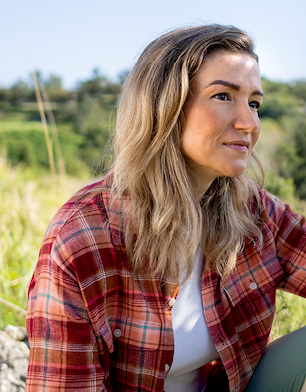
A 49-year-old woman with COPD complains of increasing dyspnea after physical exertion, including while taking walks in her hilly neighborhood or spending time with her active children. She is worried that her COPD, which was diagnosed 2 years ago, could be worsening. She has also been using her short-acting beta-agonist (SABA) inhaler more frequently, with little relief. She expresses a desire to return to her normal physical activities without experiencing shortness of breath (SOB).
She has no other comorbid conditions and only takes SABA PRN. She has a 20-year pack history and is trying to quit smoking cigarettes.
- Her physical exam findings include the following.
- No respiratory distress
- BMI: 24 kg/m2 • BP: 118/72
- Respiratory rate: 18 RPM
- Lungs are clear on auscultation
- Heart rate: 64 BPM
- SpO2 at rest: 95%
Her mMRC (Modified Medical Research Council) Dyspnea Scale is Grade 1, which indicates SOB when hurrying on level ground or walking up a slight hill. She has experienced no COPD exacerbations and is GOLD Stage 1.
Based on the clinical picture, how would you escalate this woman’s treatment plan? What treatment would you initiate?
-
Lynn Reid2yrspirometry, chest xray, probably LAMA/LABA depending on result of spirometry, alpha 1 phenotype
-
Mitchell Ahrens3yrSpirometry & alpha 1 antitrypsin testing smoking cessation LABA/LAMA daily, whichever the insurace will cover